January 15, 2025
A Year of Hope: How Our Foster Network Saved 200 Lives
An in-depth look at the remarkable achievements of our community foster network, featuring heartwarming success stories, adoption statistics, and practical guidance for aspiring foster families.
The Power of Community: A Year in Review
Over the past twelve months, our foster network has achieved something truly extraordinary. Through the dedication of 87 foster families across our community, we've successfully rescued, rehabilitated, and found loving homes for over 200 animals in need. This milestone represents not just numbers on a page, but 200 individual stories of transformation, healing, and hope.
The journey began with a simple vision: to create a network of compassionate individuals willing to open their homes temporarily to animals who needed a second chance. What started as a modest program with just 15 foster families has grown into a thriving community of animal advocates, each playing a crucial role in our mission to build a kinder, more compassionate society.
Our foster families come from all walks of life—young professionals, retirees, families with children, and everyone in between. What unites them is a shared commitment to animal welfare and the understanding that fostering saves lives. By providing temporary homes, these volunteers give animals the time and space they need to heal, both physically and emotionally, while we work to find their perfect forever families.
The impact of this work extends far beyond the animals themselves. Foster families report profound personal growth, increased empathy, and a deeper connection to their community. Children in foster households learn valuable lessons about responsibility, compassion, and the importance of helping those in need. The ripple effects of fostering touch entire neighborhoods, inspiring others to get involved and creating a culture of care that benefits everyone.
By the Numbers: Understanding Our Impact
The statistics from this past year paint a compelling picture of what's possible when a community comes together for a common cause. Of the 203 animals that entered our foster network, 178 have been successfully adopted into permanent homes—an adoption rate of 87.7%. This figure significantly exceeds the national average and speaks to the quality of care our foster families provide.
Key Statistics from 2024:
- 203 animals rescued and placed in foster care
- 178 successful adoptions (87.7% adoption rate)
- 87 active foster families
- Average foster duration: 6.3 weeks
- 15 animals with special medical needs successfully rehabilitated
- 92% of adopters report excellent adjustment in first 30 days
Breaking down these numbers further reveals the diversity of animals we've helped. Dogs comprised 58% of our foster placements, with cats making up 35%, and small animals like rabbits and guinea pigs accounting for the remaining 7%. Age ranges varied widely, from newborn puppies and kittens requiring bottle-feeding to senior animals needing specialized care in their golden years.
Perhaps most encouraging is our success rate with animals who have experienced trauma or neglect. Through patient, consistent care in foster homes, 94% of animals who arrived with behavioral concerns showed significant improvement within their first month of fostering. This transformation is only possible in a home environment where animals receive individual attention, routine, and the security they need to heal.
The average length of stay in foster care was 6.3 weeks, though this varied considerably based on individual circumstances. Some animals found their forever homes within days, while others—particularly those with medical needs or behavioral challenges—required several months of dedicated care before they were ready for adoption. Our foster families showed remarkable patience and commitment, understanding that each animal's journey is unique.
Success Stories That Inspire
Behind every statistic is a story, and this year has given us countless moments of joy and triumph. Take Max, a seven-year-old German Shepherd who arrived at our shelter severely underweight and fearful of human contact. The Martinez family, experienced foster parents, welcomed Max into their home with patience and understanding. Over three months, they worked with our behavioral specialists to help Max overcome his fears and learn to trust again.
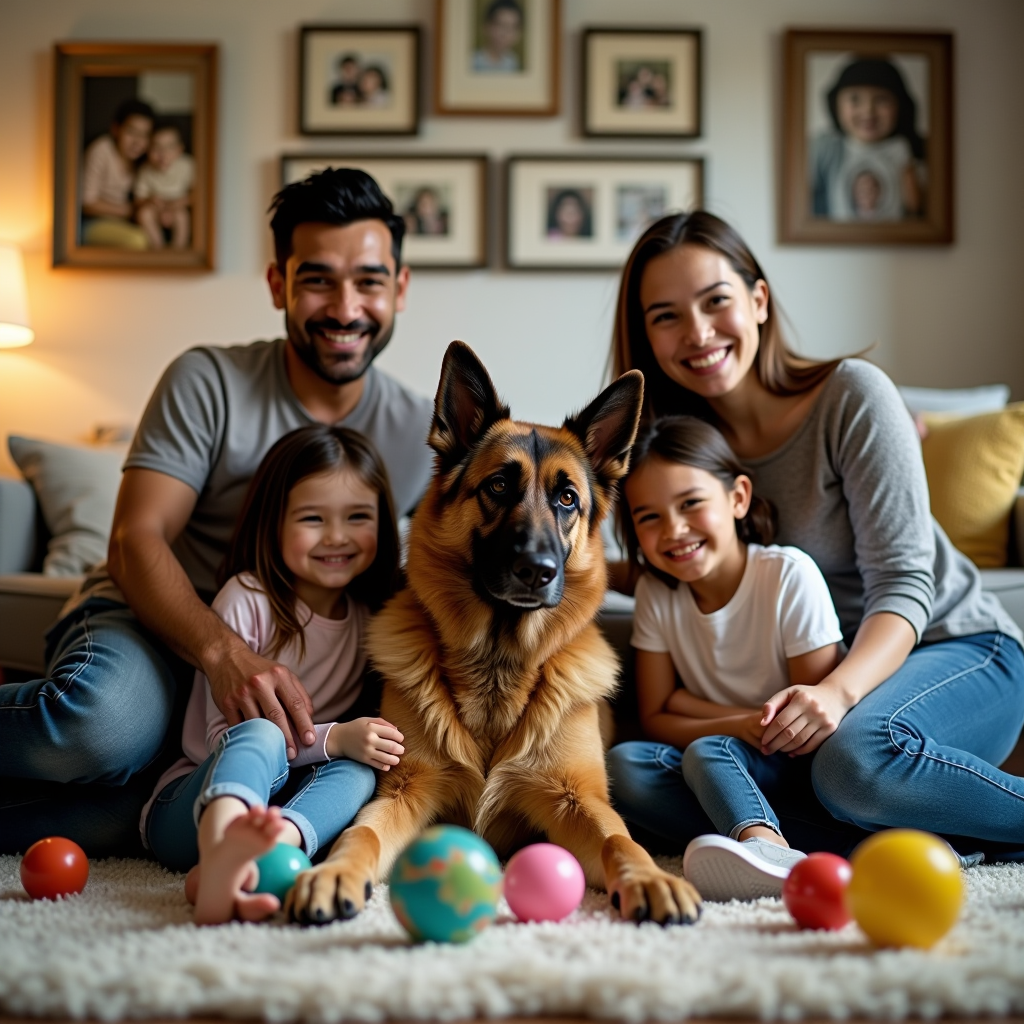
The Martinez family with Max, celebrating his successful adoption after three months of dedicated foster care.
Today, Max is thriving in his forever home with a retired couple who have the time and space to continue his rehabilitation. The Martinez family, though sad to say goodbye, found immense satisfaction in knowing they played a crucial role in Max's transformation. "Fostering Max taught our children about resilience and the power of unconditional love," Mrs. Martinez shared. "We watched him go from a scared, withdrawn dog to a confident, affectionate companion. It was one of the most rewarding experiences of our lives."
Then there's the story of Luna, a pregnant cat who was found abandoned in a parking lot during a winter storm. The Chen family, first-time fosters, stepped up to provide Luna with a safe, warm place to give birth and raise her kittens. Over eight weeks, they witnessed the miracle of new life and the incredible dedication of a mother cat. All five kittens and Luna herself found loving homes, with the Chens deciding to adopt one of the kittens permanently—a common occurrence we lovingly call "foster failure."
These stories represent just a fraction of the transformations we've witnessed this year. From senior dogs finding peaceful retirement homes to energetic puppies discovering families who match their enthusiasm, each placement is a testament to the power of fostering. Our foster families don't just provide temporary shelter—they provide hope, healing, and a bridge to a better future.
The Foster Experience: What to Expect
For those considering becoming foster parents to animals in need, understanding what the experience entails is crucial. Fostering is deeply rewarding, but it also requires commitment, flexibility, and emotional resilience. The good news is that you don't need to be an expert—our team provides comprehensive support every step of the way.
The process begins with an application and home visit, where we assess your living situation and discuss your preferences regarding the type and size of animals you're comfortable fostering. We match animals to foster homes based on multiple factors: your experience level, household composition, other pets, available space, and schedule. This careful matching process ensures the best possible outcome for both the animal and the foster family.
Once matched with a foster animal, you'll receive everything needed to care for them: food, supplies, medical care, and ongoing support from our foster coordinator. Your primary responsibilities include providing daily care, socialization, basic training, and regular updates on the animal's progress. Many foster families also help with adoption events and meet-and-greets with potential adopters.
The emotional aspect of fostering is perhaps the most challenging. Saying goodbye when your foster animal finds their forever home can be bittersweet. However, experienced foster families emphasize that the joy of knowing you've saved a life and prepared an animal for their new beginning far outweighs the temporary sadness of parting. Many fosters stay in touch with adopters and take pride in watching their former charges thrive in their permanent homes.
Practical Tips for Aspiring Foster Parents
Drawing from the collective wisdom of our experienced foster families, we've compiled essential advice for those considering joining our network. These insights can help you prepare for the fostering journey and set yourself up for success.
Essential Tips for New Foster Families:
Start Small and Build Confidence
If you're new to fostering, consider starting with an adult animal who is already house-trained and socialized. This allows you to learn the ropes without the additional challenges of puppies or kittens. As you gain experience and confidence, you can take on more complex cases.
Create a Dedicated Space
Set up a quiet, comfortable area where your foster animal can decompress and feel safe. This is especially important during the first few days as they adjust to their new environment. A spare bedroom, bathroom, or sectioned-off area works well for this purpose.
Establish Routine and Structure
Animals thrive on predictability. Establish consistent feeding times, walk schedules, and play sessions. This routine helps foster animals feel secure and makes the transition to their forever home smoother, as you can share these established patterns with adopters.
Document Progress and Personality
Take photos and videos regularly, and keep notes about your foster animal's personality, preferences, and quirks. This information is invaluable for creating adoption profiles and helping potential adopters understand if the animal is a good match for their family.
Connect with Other Foster Families
Join our foster family support group to share experiences, ask questions, and get advice from those who've been there. The community aspect of fostering is one of its greatest benefits, providing both practical support and emotional encouragement.
Practice Self-Care
Fostering can be emotionally demanding, especially when dealing with animals who have experienced trauma or neglect. Make sure to take breaks when needed, lean on your support network, and remember that it's okay to say no if you need time to recharge between foster placements.
Many successful foster families also recommend being honest about your limitations. If you work long hours, fostering a high-energy puppy might not be the best fit. If you have young children, a calm adult dog might be more appropriate than a skittish cat. Our foster coordinator works with you to find matches that suit your lifestyle and capabilities, ensuring positive outcomes for everyone involved.
Financial concerns often prevent people from considering fostering, but it's important to know that our organization covers all medical expenses, food, and supplies. Your contribution is your time, space, and love—resources that are just as valuable as financial support. Some foster families do choose to purchase additional toys or treats, but this is entirely optional and based on personal preference.
Looking Ahead: Goals for the Coming Year
Building on this year's success, we're setting ambitious goals for the year ahead. Our primary objective is to expand our foster network to 120 active families, which would allow us to help an estimated 275 animals. We're also launching specialized programs to address specific needs within our community.
The Senior-to-Senior program will match older animals with retired foster families, recognizing that senior pets often have a harder time finding homes despite being wonderful companions. We're also developing a medical foster program for animals requiring specialized care, such as those recovering from surgery or managing chronic conditions. These initiatives will require additional training and support, but we're confident our community will rise to the challenge.
Education and outreach remain priorities as well. We're planning quarterly foster family workshops covering topics like animal behavior, basic medical care, and effective socialization techniques. These sessions will help our foster families feel more confident and capable, ultimately improving outcomes for the animals in their care.
We're also working to strengthen our relationships with local veterinarians, trainers, and other animal welfare organizations. By building a robust network of professional support, we can provide even better care for our foster animals and increase our capacity to help those with complex needs.
Join Our Life-Saving Mission
The success of our foster network depends entirely on the generosity and commitment of community members like you. Whether you have space for one animal or can accommodate multiple fosters throughout the year, your contribution makes a tangible difference in the lives of animals who desperately need help.
Fostering isn't the only way to support our mission. If you're unable to foster but want to help, consider volunteering at adoption events, donating supplies, or spreading the word about animals available for adoption. Every action, no matter how small, contributes to our collective goal of creating a more compassionate community where every animal has the chance to thrive.
The stories shared in this article represent just a fraction of the transformations made possible by our foster network. Each foster family, each volunteer, each donor plays a vital role in this life-saving work. Together, we've proven that when a community comes together with a shared purpose, remarkable things become possible.
As we celebrate this year's achievements and look forward to the challenges and opportunities ahead, we invite you to be part of this incredible journey. Whether you're ready to welcome your first foster animal or simply want to learn more about how you can help, we're here to support you every step of the way. Together, we can continue building a kinder, more compassionate community—one rescued animal at a time.
"Fostering saved my life as much as it saved theirs. Every animal I've welcomed into my home has taught me something about resilience, forgiveness, and unconditional love. I can't imagine my life without this work."
— Sarah Martinez, Foster Family Coordinator and veteran foster parent