December 8, 2025
When Love Isn't Enough: Supporting Elderly Pet Owners in Crisis
The bond between elderly individuals and their companion animals represents one of life's most profound relationships. For many seniors, their pets are not merely animals—they are family members, daily companions, and sources of unconditional love during what can be isolating years. Yet across our community, a quiet crisis unfolds as aging pet owners face an impossible choice: how to continue caring for beloved companions when health deteriorates or financial resources dwindle.
The Hidden Challenge Facing Senior Pet Owners
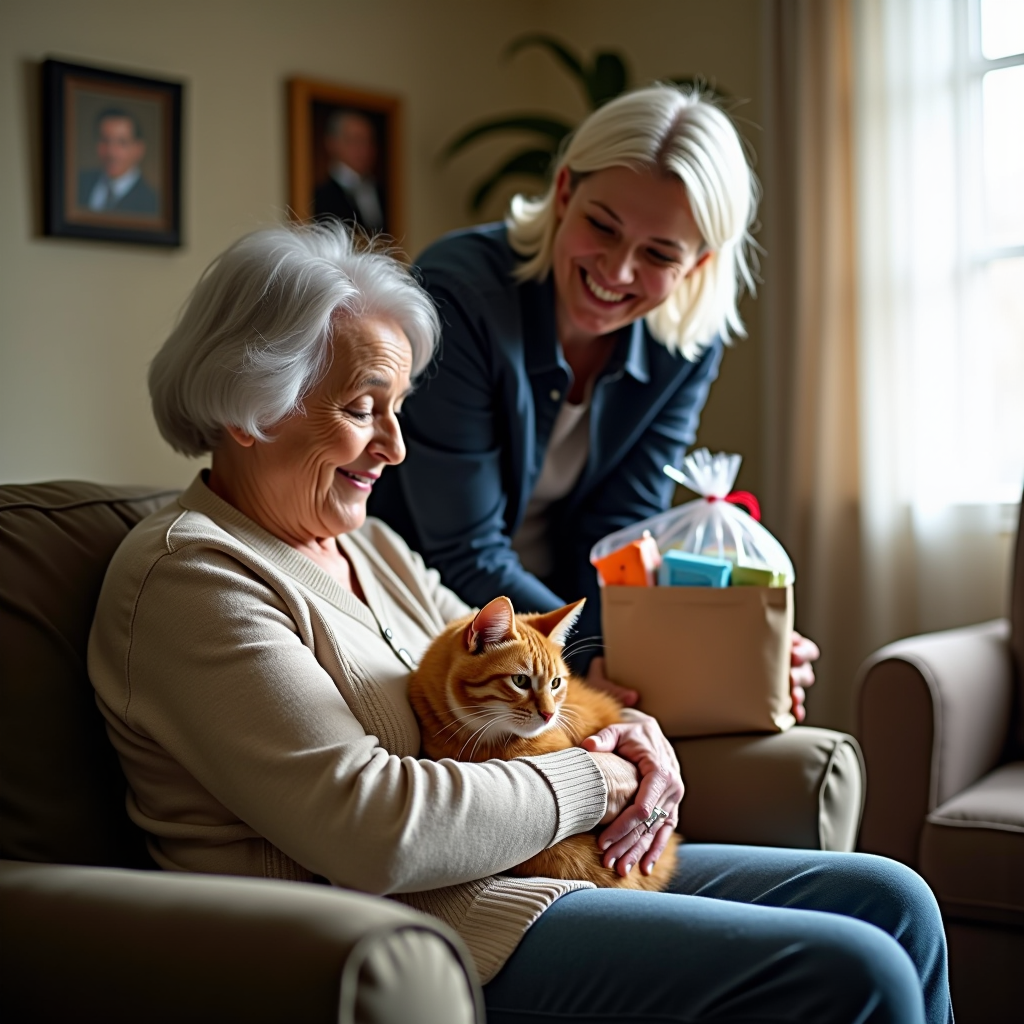
Margaret Thompson, 78, had shared her modest apartment with Whiskers, her orange tabby cat, for twelve years. When arthritis made it difficult to bend down to clean litter boxes and a fixed income stretched thinner each month, Margaret faced a heartbreaking reality. The veterinary bills, pet food costs, and basic supplies that once seemed manageable had become overwhelming burdens. Like thousands of elderly pet owners in our community, Margaret found herself caught between her deep love for her companion and the practical impossibility of providing adequate care.
This scenario plays out daily across neighborhoods, often hidden behind closed doors. Seniors skip their own medications to afford pet food. They delay necessary veterinary care, hoping minor issues will resolve themselves. Some face eviction from housing that no longer accommodates pets, while others reluctantly surrender beloved companions to shelters, experiencing profound grief and guilt. The statistics paint a sobering picture: nearly 40% of elderly pet owners report financial strain related to pet care, and countless more struggle silently, too proud or ashamed to seek help.
The emotional toll extends beyond the practical challenges. Research consistently demonstrates that companion animals provide critical mental and physical health benefits for elderly individuals, including reduced blood pressure, decreased feelings of loneliness, increased physical activity, and improved overall life satisfaction. When seniors lose their pets—whether through surrender, death, or separation—the impact on their wellbeing can be devastating. Depression rates spike, social isolation deepens, and overall health often declines. The cruel irony is that the very companions who provide such vital support become sources of stress and anxiety when care becomes unmanageable.
Healthcare providers and social workers increasingly recognize this challenge as a significant quality-of-life issue for aging populations. Yet traditional social services rarely address pet-related needs, creating a gap in support systems. Elderly individuals who would never hesitate to seek help for themselves often suffer in silence when it comes to their animals, viewing pet ownership as a personal responsibility rather than an area where community assistance might be appropriate or available.
The Sha Nini Foundation's Senior Support Initiative
Recognizing this critical need, the Sha Nini Foundation launched its comprehensive Senior Pet Owner Support Program in 2024. This initiative represents a fundamental shift in how we approach animal welfare—acknowledging that keeping pets with their loving owners often serves both human and animal wellbeing better than any alternative. The program operates on a simple but powerful principle: when we support elderly pet owners, we prevent family separations, reduce shelter intake, and honor the profound bonds that enrich lives on both ends of the leash.
Our free veterinary care assistance program removes one of the most significant barriers facing senior pet owners. Through partnerships with local veterinary clinics and our own mobile veterinary unit, we provide essential medical services at no cost to qualifying elderly individuals. This includes annual wellness examinations, vaccinations, dental care, treatment for common ailments, and even emergency services when needed. Last year alone, we provided over $180,000 in veterinary care to 340 senior-owned pets, preventing countless surrenders and ensuring animals received timely medical attention that might otherwise have been delayed or foregone entirely.
The veterinary assistance extends beyond basic care to address chronic conditions that might otherwise force difficult decisions. When Margaret's cat Whiskers developed diabetes requiring daily insulin injections and special food, the ongoing costs seemed insurmountable. Through our program, Margaret receives free insulin, syringes, and prescription food delivered monthly, along with regular check-ups to monitor Whiskers' condition. A volunteer visits weekly to help with injections when Margaret's arthritis makes the task difficult. This comprehensive support transformed an impossible situation into a manageable one, keeping a devoted pair together.
Our approach recognizes that veterinary care, while crucial, represents just one piece of the puzzle. Many elderly pet owners struggle with the ongoing costs of food, litter, and basic supplies. Fixed incomes that once covered these expenses comfortably become strained as prices rise and other costs increase. Our pet food delivery service addresses this need directly, providing monthly deliveries of high-quality food, litter, and supplies tailored to each pet's specific needs. Volunteers deliver these essentials directly to seniors' homes, often providing the only regular social contact some isolated individuals receive.
Beyond Basic Needs: Comprehensive Support Services
The Senior Pet Owner Support Program extends far beyond providing food and veterinary care. We've developed a network of services addressing the full spectrum of challenges elderly pet owners face. Our volunteer corps includes individuals trained to assist with tasks that become difficult as mobility decreases—walking dogs, cleaning litter boxes, grooming pets, and even helping with basic home modifications to make pet care more manageable. These volunteers become trusted friends, checking in regularly and providing both practical assistance and emotional support.
Transportation represents another significant barrier for elderly pet owners. Getting to veterinary appointments becomes challenging when driving is no longer possible or safe, and public transportation rarely accommodates pets. Our volunteer driver program ensures seniors and their pets can access necessary veterinary care, grooming services, and even pet-friendly social activities. This service proves particularly vital during emergencies, when immediate veterinary attention can mean the difference between life and death.
We've also established a 24-hour emergency hotline specifically for senior pet owners facing crisis situations. Whether dealing with a pet medical emergency, sudden hospitalization of the owner, or urgent housing issues, seniors can call for immediate assistance. Our response team coordinates emergency veterinary care, arranges temporary foster placement when owners require hospitalization, and works with social services to address housing challenges. This safety net provides peace of mind, knowing help is always available when needed most.
Perhaps most importantly, we've created emergency placement options for situations when seniors can no longer care for their pets due to health crises, nursing home placement, or end-of-life circumstances. Rather than surrendering beloved companions to traditional shelters, our program places pets in carefully screened foster homes where they receive individualized care and attention. We maintain detailed records of each pet's history, preferences, and medical needs, ensuring continuity of care. When possible, we facilitate regular visits between separated owners and pets, honoring bonds that remain strong even when circumstances force physical separation.
Real Stories, Real Impact
"I thought I would have to give up Whiskers. I couldn't afford his medicine, and I couldn't bear watching him suffer. The Sha Nini Foundation didn't just save my cat—they saved me from the worst heartbreak of my life."
— Margaret Thompson, Program Participant
Margaret's story represents just one of hundreds we encounter each year. Robert, 82, faced eviction from his apartment when his landlord implemented a no-pets policy. His dog Max, a gentle golden retriever who had been his constant companion since his wife's death five years earlier, seemed destined for surrender. Our housing advocacy team worked with the landlord, provided documentation of Max's role as an emotional support animal, and helped Robert understand his rights under fair housing laws. Today, Robert and Max remain together in their home, and Robert volunteers with our program, sharing his experience to help other seniors navigate similar challenges.
Elena, 75, suffered a stroke that required three months of rehabilitation in a nursing facility. Terrified that her two cats would end up in a shelter, she initially refused necessary treatment. Our emergency placement program stepped in, placing her cats with a foster family who sent weekly photos and updates. Elena's cats visited her twice during her recovery, providing motivation and comfort during difficult rehabilitation. When Elena returned home, her cats came home too, and she now participates in our peer support group, helping other seniors plan for potential health crises.
These stories illuminate a fundamental truth: supporting elderly pet owners creates ripple effects throughout our community. Pets remain in loving homes rather than entering already-overcrowded shelters. Seniors maintain vital companionship that supports their physical and mental health. Volunteers develop meaningful relationships that combat isolation for both parties. Healthcare costs potentially decrease as seniors experience the well-documented health benefits of pet ownership. Everyone benefits when we invest in keeping families together.
Looking Forward: Expanding Our Reach
Despite our program's success, we've barely scratched the surface of community need. For every senior we serve, we estimate three more could benefit from our services but remain unaware of available help or hesitant to seek assistance. Many elderly individuals grew up in eras when asking for help carried stigma, particularly regarding matters they view as personal responsibilities. Others lack internet access or technological literacy to discover available resources. Some live in isolated rural areas where services remain difficult to access.
We're working to expand our outreach through partnerships with senior centers, healthcare providers, social service agencies, and faith communities. Training programs help professionals who work with elderly populations recognize signs that pet care has become burdensome and provide information about available support. We've developed simplified application processes and offer assistance completing paperwork for those who find forms overwhelming. Our goal is ensuring that no senior in our community faces the heartbreak of surrendering a beloved pet due to circumstances beyond their control.
Future program expansions include establishing a permanent senior pet wellness clinic offering free services in a centralized location, creating a respite care program for seniors who need temporary relief from pet care responsibilities, and developing a pet-friendly senior housing advocacy initiative. We're also exploring partnerships with veterinary schools to provide students with valuable experience while expanding our service capacity. Each initiative requires funding, volunteers, and community support, but the potential impact makes every effort worthwhile.
The Senior Pet Owner Support Program represents more than animal welfare work—it's about honoring the dignity and wellbeing of our community's elderly members while recognizing the profound importance of the human-animal bond. Every senior who receives support, every pet who remains in a loving home, and every family kept together represents a victory for compassion and community care. As our population ages and more seniors face these challenges, programs like ours become not just beneficial but essential components of comprehensive social services.
How You Can Help
Supporting elderly pet owners requires community involvement at every level. Financial donations directly fund veterinary care, food supplies, and emergency services. Monthly sustaining donations provide the reliable funding stream necessary for ongoing support programs. Even small contributions make significant differences—$25 provides a month of food for one cat, $50 covers basic veterinary care, $100 funds emergency placement services for one pet.
Volunteers form the backbone of our program. We need individuals willing to deliver supplies, provide transportation, assist with pet care tasks, offer temporary foster care, and simply visit with isolated seniors. No special skills are required—just compassion, reliability, and a few hours monthly. Many volunteers report that their involvement enriches their own lives as much as it helps program participants, creating meaningful intergenerational connections and purposeful community engagement.
Professional services donations prove equally valuable. Veterinarians who provide discounted or pro bono care, groomers who offer reduced rates, pet supply stores that donate food and supplies, and transportation services that accommodate pets all contribute to program sustainability. Legal professionals help with housing advocacy, accountants assist with financial planning, and healthcare providers offer guidance on integrating pet care into overall senior wellness plans.
Perhaps most importantly, spreading awareness helps us reach seniors who need support but don't know it exists. Share information about our program with elderly neighbors, family members, and friends. If you work with senior populations professionally, become familiar with available resources and watch for signs that pet care has become burdensome. Sometimes the greatest gift we can offer is simply letting someone know they don't have to face these challenges alone.
Program Eligibility
Our Senior Pet Owner Support Program serves individuals who:
- Are 65 years or older
- Live within our service area
- Demonstrate financial need or physical limitations affecting pet care
- Are committed to maintaining their pet's wellbeing
Applications are reviewed individually, and we work to accommodate special circumstances whenever possible. No senior should face losing their beloved companion due to circumstances beyond their control.
A Vision for Compassionate Community Care
The Sha Nini Foundation's Senior Pet Owner Support Program embodies our broader vision of building a kinder, more compassionate community where both people and animals thrive. We recognize that animal welfare and human welfare are inextricably linked—that supporting one inherently supports the other. When we help elderly pet owners maintain their beloved companions, we're not just preventing shelter intake or providing veterinary care. We're honoring lifelong bonds, supporting mental and physical health, combating isolation, and affirming that every member of our community deserves dignity and support.
Margaret still lives in her modest apartment with Whiskers, who continues to thrive on his diabetes management plan. She recently joined our peer support group, where she shares her experience with other seniors facing similar challenges. The relief and gratitude in her voice when she talks about the program reflects the profound impact of knowing she and Whiskers will never be separated. This is the future we're building—one where love is enough because community support fills the gaps that circumstances create.
As our community ages and more seniors face these challenges, the need for comprehensive support programs will only grow. The Sha Nini Foundation remains committed to expanding our services, reaching more seniors, and ensuring that no one faces the heartbreak of losing a beloved companion due to circumstances beyond their control. Together, we can build a community where elderly pet owners receive the support they need, where human-animal bonds are honored and protected, and where compassion guides our response to those facing difficult circumstances.
The work continues, one senior and one pet at a time, building a kinder community where everyone—regardless of age or circumstance—can experience the joy, comfort, and unconditional love that companion animals provide. This is more than animal welfare work. This is community care at its finest, recognizing that our collective wellbeing depends on supporting our most vulnerable members and honoring the bonds that make life worth living.