Published on November 30, 2025
A Month on the Front Lines: Inside Our Mobile Rescue Team's Daily Mission
For thirty days, we followed our dedicated mobile rescue team as they navigated the streets, responding to emergency calls and providing critical care to animals in desperate need. This is their story—a testament to compassion, resilience, and the power of community action.
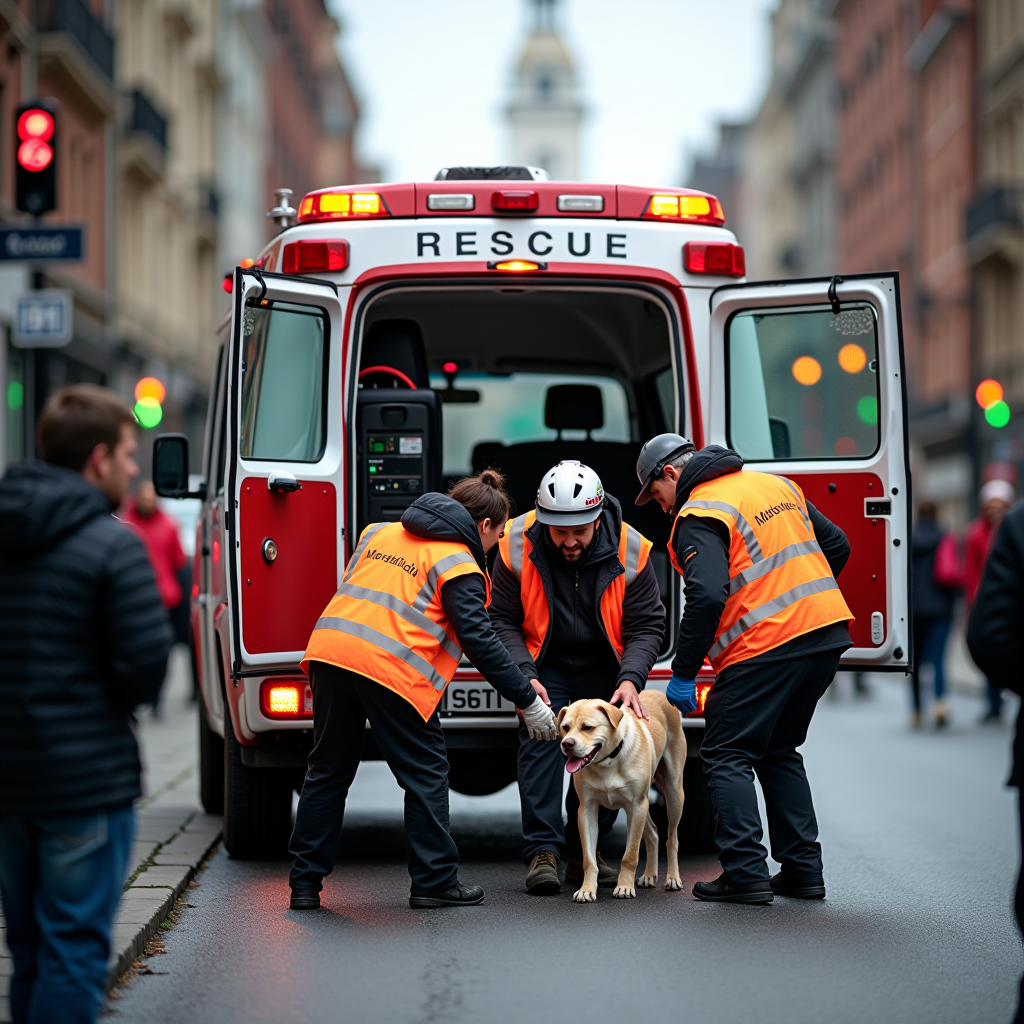
Our mobile rescue team responding to an emergency call in the downtown area
The Heartbeat of Street Animal Rescue
Every morning at 6:30 AM, our mobile rescue unit rolls out of the Sha Nini Foundation headquarters, fully equipped and ready for whatever the day might bring. The specialized vehicle—a converted ambulance outfitted with medical supplies, rescue equipment, and climate-controlled kennels—represents hope on wheels for countless animals living on the streets. Over the course of November, this dedicated team responded to 127 emergency calls, rescued 89 animals, and provided on-site medical care to dozens more who couldn't be immediately transported.
The team consists of three core members: Sarah Martinez, a licensed veterinary technician with eight years of field experience; James Chen, our animal behavior specialist who can calm even the most frightened creatures; and Maria Rodriguez, the driver and logistics coordinator who knows every street and alley in the city. Together, they form an unstoppable force for animal welfare, working twelve-hour shifts that often extend well into the night when emergencies demand their attention.
What makes this team extraordinary isn't just their technical skills—it's their unwavering commitment to treating every animal with dignity and compassion, regardless of the circumstances. Whether responding to a report of an injured dog hit by a car or rescuing a litter of kittens abandoned in a cardboard box, they approach each situation with the same level of professionalism and care. Their work is physically demanding, emotionally challenging, and absolutely essential to our mission of building a kinder community.
The mobile unit serves as more than just transportation—it's a fully functional emergency room on wheels. Equipped with oxygen tanks, IV fluids, surgical instruments, medications, and diagnostic tools, the team can stabilize critical patients on-site before transport. This capability has saved countless lives, particularly in cases where moving an injured animal immediately would cause additional trauma or stress. The vehicle also carries specialized rescue equipment including humane traps, catch poles, protective gear, and even a drone for locating animals in hard-to-reach areas.
A Day in the Life: Emergency Response in Action
November 15th began like most days—with a morning briefing reviewing overnight reports and planning the day's scheduled welfare checks. But at 8:47 AM, everything changed when the emergency hotline rang with a frantic call about a dog trapped in a drainage culvert near the industrial district. Within minutes, the team was en route, Sarah already preparing medical supplies while James reviewed the caller's description to anticipate the animal's likely behavior and stress level.
Arriving at the scene, they found a medium-sized mixed breed dog, later named Hope, wedged in a narrow concrete pipe approximately fifteen feet from the entrance. The dog was conscious but clearly exhausted, having likely been trapped for several hours. James immediately began speaking in calm, reassuring tones while Sarah assessed the situation for the safest extraction method. Maria coordinated with local fire department personnel who had also responded to the call, ensuring everyone worked together efficiently.
The rescue took nearly two hours of careful, patient work. Using specialized equipment and techniques developed through years of experience, James slowly coaxed Hope toward the opening while Sarah stood ready with a blanket and medical supplies. When Hope finally emerged, frightened and covered in mud but miraculously uninjured, the relief was palpable. Sarah immediately performed a thorough examination, checking for dehydration, injuries, and signs of illness. Hope received subcutaneous fluids, a mild sedative to reduce stress, and was carefully placed in one of the climate-controlled kennels for transport to the foundation's medical facility.
But the day was far from over. Before they could return to headquarters, two more calls came in: a report of an injured cat near the downtown market and a concerned citizen who had found a box of abandoned puppies behind a shopping center. Each situation required the team's full attention and expertise. The injured cat, suffering from an infected wound, received immediate antibiotic treatment and pain management before transport. The puppies, barely three weeks old and severely malnourished, needed emergency feeding and warming before they could safely make the journey to the shelter.
The Challenges of Street Animal Rescue
Street animal rescue presents unique challenges that test even the most experienced teams. Unlike shelter work, where animals are in a controlled environment, field rescues require quick thinking, adaptability, and the ability to work in unpredictable and often dangerous conditions. The team regularly encounters aggressive or fearful animals, navigates hazardous locations like busy highways or unstable structures, and works in extreme weather conditions that would send most people indoors.
One of the most significant challenges is gaining the trust of frightened animals who have learned to fear humans. Many street animals have experienced abuse, neglect, or trauma, making them understandably wary of anyone trying to help. James has developed specialized techniques for approaching these animals, using body language, voice modulation, and patience to gradually build trust. Sometimes a rescue that should take minutes stretches into hours as the team works to ensure the animal feels safe enough to accept help.
The emotional toll of this work cannot be understated. The team witnesses suffering daily—animals hit by cars, victims of intentional cruelty, mothers desperately trying to protect their young in impossible circumstances. They've learned to process these experiences through regular debriefing sessions, peer support, and the knowledge that their work makes a tangible difference. Sarah notes that for every heartbreaking case, there are stories of triumph: animals who recover against all odds, successful reunions with lost pets, and the joy of seeing a once-terrified street dog transform into a confident, loving companion.
Resource limitations also present ongoing challenges. The mobile unit requires constant maintenance, medical supplies are expensive, and the team often works with equipment that needs upgrading. Fuel costs alone for a month of operations exceed $2,000, not including the specialized medical supplies, rescue equipment, and vehicle maintenance. Despite these constraints, the team maximizes every resource, often improvising solutions and relying on their extensive experience to overcome obstacles that would stop less dedicated rescuers.
The Power of Community Reporting
The mobile rescue team's success depends heavily on community involvement. Every rescue begins with someone caring enough to make a call, send a message, or flag down the unit when they spot an animal in need. During November, the team received reports from construction workers, school children, business owners, delivery drivers, and concerned residents from all walks of life. These community members are the eyes and ears that make rapid response possible.
Maria emphasizes the importance of detailed reporting: "When someone calls, the information they provide can mean the difference between a successful rescue and a missed opportunity. We need to know the animal's location, condition, behavior, and any immediate dangers. Photos or videos are incredibly helpful. The more details we have, the better we can prepare and respond quickly." The foundation has developed a simple reporting system through their emergency hotline and mobile app, making it easy for anyone to alert the team about animals in distress.
Community education is an integral part of the team's mission. During rescues, they often take time to explain what they're doing and why, teaching bystanders about animal behavior, safety protocols, and how to help animals in their neighborhoods. They've distributed hundreds of informational cards with the emergency hotline number and basic guidance on what to do when encountering an injured or distressed animal. This educational component creates a ripple effect, turning witnesses into advocates who spread awareness throughout their communities.
The team has also built relationships with local businesses, schools, and community organizations, creating a network of partners who support their work. Several restaurants donate food for rescued animals, hardware stores provide supplies at cost, and veterinary clinics offer discounted services for emergency cases. These partnerships demonstrate how community support extends beyond individual reports to create a comprehensive safety net for street animals.
Volunteer Dedication: The Backbone of Mobile Rescue
While Sarah, James, and Maria form the core team, they're supported by a rotating group of trained volunteers who assist with rescues, provide backup during complex operations, and help with animal care during transport. These volunteers undergo rigorous training in animal handling, safety protocols, and emergency procedures before joining field operations. Their dedication is remarkable—many maintain full-time jobs yet regularly sacrifice sleep, weekends, and personal time to support rescue efforts.
During November, twelve volunteers contributed over 400 combined hours to mobile rescue operations. They assisted with everything from crowd control during public rescues to providing comfort and care for frightened animals during transport. Several volunteers have developed specialized skills: one is an expert at handling aggressive dogs, another excels at kitten care, and a third has become invaluable for her ability to communicate with non-English speaking community members who report animals in need.
The volunteer program also serves as a training ground for future rescue professionals. Several current staff members, including Sarah, began as volunteers and discovered their calling through hands-on experience with the mobile team. The foundation provides ongoing education, certification opportunities, and mentorship to volunteers who demonstrate commitment and aptitude for rescue work. This investment in volunteer development ensures a sustainable pipeline of skilled rescuers for years to come.
The emotional support volunteers provide to each other and the core team is equally important. Rescue work can be isolating and emotionally draining, but the camaraderie among team members creates a supportive environment where people can share experiences, process difficult situations, and celebrate victories together. Monthly volunteer gatherings provide opportunities for team building, continued education, and recognition of outstanding contributions to the mission.
Looking Forward: Expanding Mobile Rescue Capabilities
The success of the mobile rescue program has highlighted both its impact and its limitations. The single unit can only be in one place at a time, and during peak periods, the team must prioritize calls based on urgency, sometimes leaving less critical situations unaddressed for hours or even days. The foundation's vision includes expanding to a two-unit system, effectively doubling response capacity and reducing wait times for animals in need.
A second mobile unit would cost approximately $85,000 to purchase and outfit with necessary equipment, plus ongoing operational costs of roughly $4,500 monthly for fuel, maintenance, supplies, and staffing. While this represents a significant investment, the potential impact is enormous. Analysis of November's call data shows that a second unit could have responded to an additional 45 cases that had to be deferred or handled by less specialized resources. That's 45 more animals receiving immediate professional care, 45 more opportunities to prevent suffering and save lives.
The foundation is also exploring technological enhancements to improve rescue efficiency. A proposed GPS tracking and dispatch system would optimize routing, reduce response times, and provide real-time updates to callers about rescue team arrival. Enhanced communication equipment would allow better coordination with other emergency services and enable the team to consult with veterinarians remotely during complex medical situations. These improvements would maximize the effectiveness of every rescue operation.
Community support will be essential to realizing these expansion goals. The mobile rescue program operates entirely on donations, grants, and fundraising efforts. Every contribution, whether financial support, donated supplies, or volunteer hours, directly impacts the team's ability to respond to animals in crisis. The foundation is launching a "Sponsor a Rescue" campaign that allows donors to directly fund specific aspects of mobile operations, from fuel costs to medical supplies to equipment upgrades.
How You Can Support Mobile Rescue Operations
- Report animals in need: Call our 24/7 emergency hotline at (555) 738-2647 if you see an injured, distressed, or abandoned animal
- Donate to mobile operations: Financial contributions directly fund fuel, medical supplies, and equipment maintenance
- Volunteer with the team: Complete our training program and join rescue operations in the field
- Spread awareness: Share information about our mobile rescue services with your community
- Provide supplies: Donate blankets, towels, pet carriers, and other rescue essentials
Conclusion: Every Call Matters, Every Life Counts
As November drew to a close, the mobile rescue team gathered for their monthly review meeting. The statistics were impressive: 127 emergency responses, 89 animals rescued, countless lives saved and suffering prevented. But behind every number is a story—Hope, the dog trapped in the culvert who is now thriving in a foster home; the box of puppies who survived against the odds and are ready for adoption; the injured cat who received life-saving treatment and returned to her grateful family.
The mobile rescue team represents the Sha Nini Foundation's commitment to being there when animals need help most. They are the first responders in the animal welfare world, the safety net for creatures who have no voice and no advocate except compassionate humans willing to act. Their work is challenging, often heartbreaking, but ultimately profoundly rewarding. Every rescue reinforces why this work matters, why every call deserves a response, and why every life—no matter how small or seemingly insignificant—has value.
As Sarah reflected at the end of the month, "We can't save every animal, but we can save the ones we reach. And for each animal we help, we're not just changing one life—we're showing our community what compassion looks like in action. We're building a culture where animals matter, where suffering isn't ignored, and where people know they can make a difference with a simple phone call."
The mobile rescue team will be back on the streets tomorrow morning, ready for whatever challenges the day brings. They'll respond to emergency calls, rescue animals in distress, and provide hope on wheels to creatures who desperately need it. And they'll do it all knowing that their community supports them, believes in their mission, and stands ready to help build a kinder world for all animals.